Commercial Architecture Services for Construction Projects
Innovative Architect Designs: Discovering the Advantages of Professional Architecture Services
Innovative architectural concepts serve a critical function in defining contemporary spaces. Through emphasizing environmental responsibility and practicality, architects can craft areas that reflect the needs of communities. Combining smart technologies and eco-friendly materials boosts sustainable outcomes while fostering social interaction. As these designs evolve, they adapt to user requirements and reflect cultural traditions. One must consider: in what ways do these factors combine to reshape our cities and uplift community standards?
The Role of Architects in Creating Sustainable Spaces
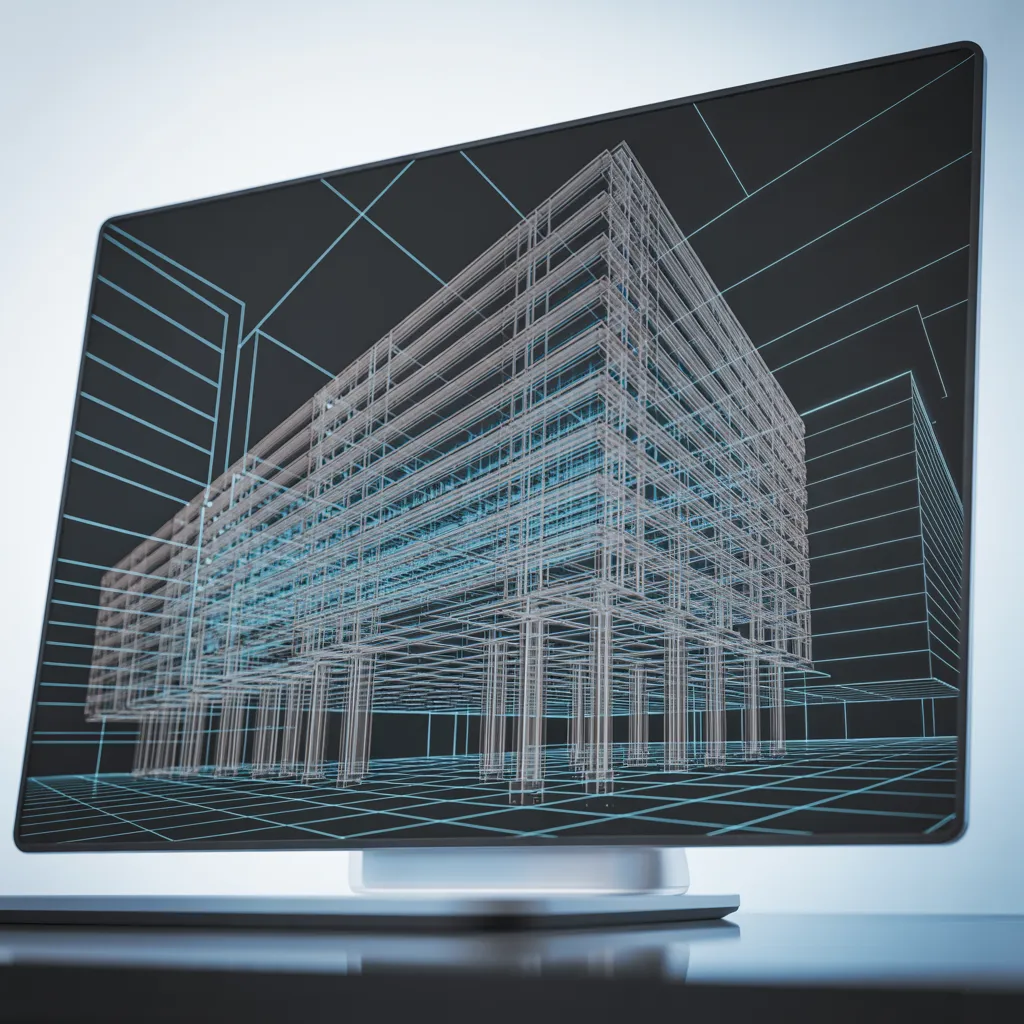
Architects hold a crucial role in the creation of eco-friendly environments, greatly impacting the environmental impact of the built world. Their expertise allows for the inclusion of green building materials, energy-saving systems, and creative design strategies that decrease the use of resources. By emphasizing sustainable practices, architects have the capacity to design structures that decrease environmental impact and enhance energy performance.
Collaboration with technical experts and environmental consultants is vital in this undertaking, ensuring that both aesthetic and functional criteria are met by designs while upholding environmentally responsible methods. Additionally, the surrounding ecosystem is carefully considered by architects, fostering biodiversity and weaving in natural components that encourage a balanced connection between man-made structures and the natural world.
Through thoughtful planning, architects champion the use of renewable energy sources, such as solar or wind power, which additionally advances sustainability aims. In the end, their influence stretches well past construction; architects define the evolution of urban spaces by nurturing a focus on environmental stewardship and responsible design.
Top Innovations in Architectural Design That Enhance Functionality
Many advancements in modern architecture are redefining the functionality of today's built environments. A notable innovation is the implementation of advanced technology, empowering spaces to adjust to the preferences of their occupants through self-regulating lighting, environmental controls, and safety mechanisms. Such advancements boost both energy performance and the overall comfort of users.
In addition, modular construction approaches are growing in prominence, supporting swifter building processes and broader design versatility. Such constructions can be readily modified or scaled up, making them well-suited for diverse purposes.
Biophilic architecture, that integrates elements of nature into architectural design, enhances productivity and well-being, nurturing a connection between building users and the spaces they inhabit.
Additionally, open floor plans have become increasingly popular, creating versatile spaces that can accommodate a variety of activities.
Lastly, sustainable materials are being utilized not only for their eco-friendliness but also for their attractive appearance and resilience, enhancing the overall functionality of modern structures. These innovations collectively contribute to more adaptable and efficient architectural solutions.
How Design Connects Communities
Planning plays a pivotal role in cultivating connections within neighborhoods, developing spaces that encourage interaction and communication among inhabitants. Carefully planned parks, public squares, and shared spaces act as vital gathering spots, encouraging public participation and a sense of belonging. Design elements such as expansive floor plans and versatile areas facilitate avenues for local activities and activities, enhancing the collective living experience.
In addition, designs that embrace local culture and traditions cultivate a distinctive identity, enabling residents to develop a stronger connection to their environment. By championing accessibility and inclusivity, architects confirm that every person, regardless of age or physical ability, can participate in community life.
The inclusion of natural components, such as verdant areas and communal spaces, greatly enhances the communal living experience, providing residents with a refuge and a place for shared enjoyment. Ultimately, thoughtful architectural design not only shapes physical spaces but also nurtures the relationships that bind communities together.
Enhancing Energy Efficiency With Professional Architecture
A notable change towards energy efficiency is revolutionizing the architectural landscape, spurring the development of groundbreaking solutions that minimize environmental consequences. Skilled architectural expertise serve a vital function in this transformation by incorporating green methodologies into the design process. These design professionals assess patterns of energy use and utilize high-quality materials, such as superior insulation systems and high-performance glazing, to decrease thermal energy demands.
In addition, the inclusion of green energy systems, like geothermal systems and solar panels, not only decreases the need for fossil fuels but also decreases operational costs for building owners. Smart building technologies additionally improve building energy efficiency, enabling live tracking and optimization of energy consumption.
With careful planning and creative design, professional architects design spaces which not only adhere to rigorous environmental standards but also encourage lasting sustainability. This emphasis on energy efficiency ultimately contributes to a healthier planet and more resilient communities, underscoring the vital role of architecture in combating climate change.
Remarkable Urban Landscape Changes
A prime illustration is the transformation of neglected waterfront areas into vibrant community spaces, complete with cultural installations, walking paths, and green parks. Such transformations not only beautify the landscape but also stimulate surrounding economies by drawing in visitors and commercial enterprises.
Moreover, successful urban development takes into account the particular characteristics of a locality, guaranteeing that every change captures its past and essence. This personalized method nurtures a feeling of community among residents, encouraging stewardship of the space. Ultimately, effective urban redesigns showcase the power of design to redefine city living and support environmentally conscious communities.
What Lies Ahead for Innovative Architecture?
In what ways can innovative architecture keep pace with and address the changing demands of society? With urban landscapes becoming ever more intricate, architects face the critical task of tackling key challenges including sustainability, affordability, and social equity. Cutting-edge technologies, such as artificial intelligence and advanced materials, present fresh opportunities for design, facilitating more streamlined construction methods and improved energy efficiency.
Moreover, architects are consistently collaborating with a wide range of stakeholders, from community members to sustainability professionals, guaranteeing that plans embody the priorities and requirements of the communities they support. Such an inclusive strategy fosters resilience, allowing structures to adapt to shifting climatic factors and social requirements.
In addition, the incorporation of biophilic design principles supports well-being, forging a connection between occupants and nature. As the architectural profession progresses, the commitment to creative solutions will remain paramount, propelling the industry to develop areas that are not only functional but also transformative for coming generations.
Questions We Often Receive
How Do Architects Work Together With Engineers on Projects?
Architects collaborate with engineers by combining design principles with technical specifications, guaranteeing structural soundness and performance. Regular meetings facilitate communication, enabling both fields to tackle obstacles and enhance project outcomes through shared expertise and evaluation innovative solutions.
What Are the Expenses Involved in Hiring an Architect?
The expenses involved in engaging an architect commonly consist of architectural design fees, project management costs, and potential supplementary charges for site inspections or consultations. These costs can vary considerably depending on the complexity of the project and its location.
What Is the Typical Duration of the Architectural Design Process?
The architecture design workflow generally requires multiple months, subject to project complexity and client requirements. Elements including permit approvals, design revisions, and coordination with contractors can further impact the total project duration, often extending the duration considerably.
Can Architects Help With Zoning and Permit Applications?
Indeed, architects can assist with zoning regulations and permit submissions. Their knowledge helps manage intricate zoning regulations and guarantees adherence to local building codes, expediting the approval process and increasing the likelihood of securing required approvals for construction projects.
What Credentials Should I Seek in an Architect?
When selecting an architect, you should consider qualifications such as education, licensing, experience in relevant projects, excellent interpersonal and communication skills, and a portfolio showcasing creativity and problem-solving skills. Relevant specializations should also be considered according to the requirements of your project.